Looking Beyond Food Assistance
For many households, food insecurity is only one piece of a larger challenge.
Individuals seeking food assistance may also be experiencing housing instability, transportation barriers, health concerns, financial hardship, or difficulty accessing public benefits. Addressing these interconnected needs requires more than a pantry. It requires collaboration among organizations that can help connect people to a network of support.
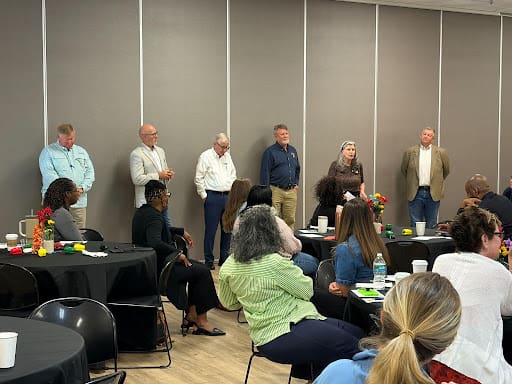
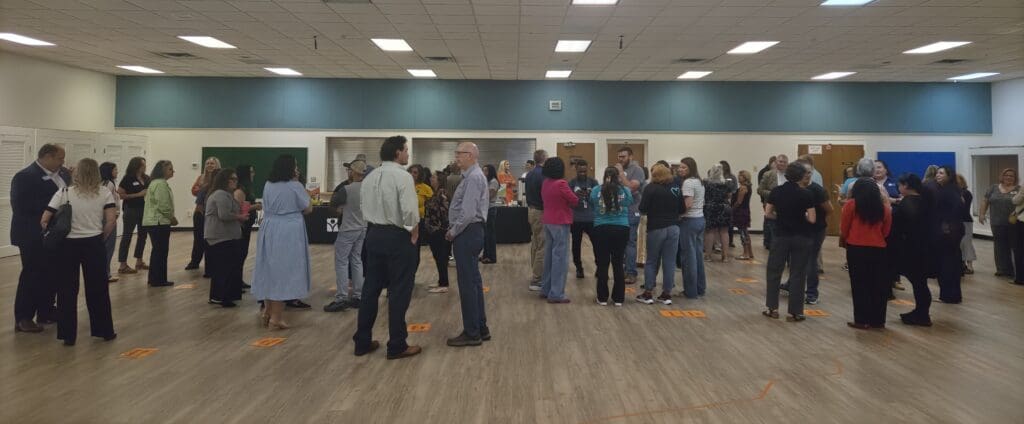
Throughout the Summit, attendees engaged with service providers from across the county, exchanged resources, and explored ways to strengthen referral systems that help families access the services they need.
The conversations reflected a shared understanding: lasting food security depends on addressing the broader factors that influence a household’s well-being.
Strengthening Polk County’s Food Security Network
The Polk County Food Security Council continues to advance this work through three active subcommittees:
- Agriculture
- GIS Asset Mapping
- Disaster Preparedness and Response
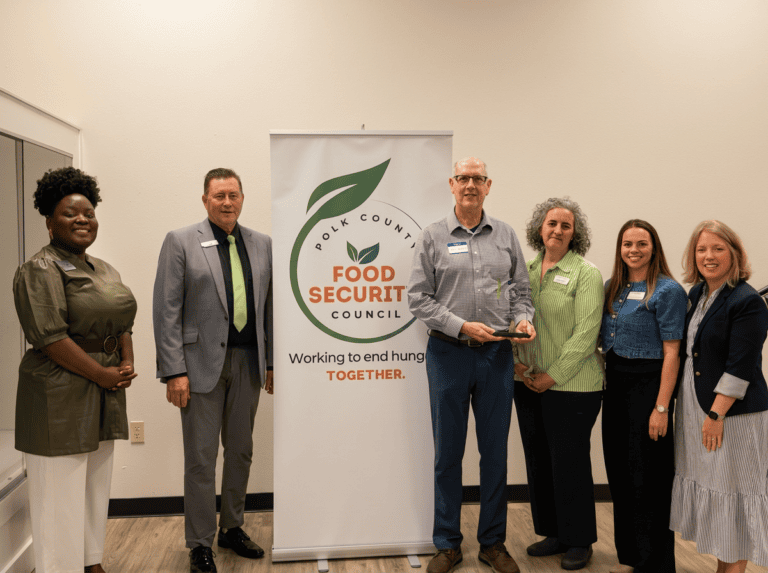
Led by co-chairs Nicole Walker of UF|IFAS Extension Polk County and Rod Crowley of United Way of Central Florida, the Council brings together community partners committed to strengthening local food systems and improving coordination across Polk County.
Each subcommittee focuses on a different aspect of food security, creating opportunities for organizations and residents to collaborate on solutions that increase access, preparedness, and community resilience.
The Connection Between Agriculture and Food Security
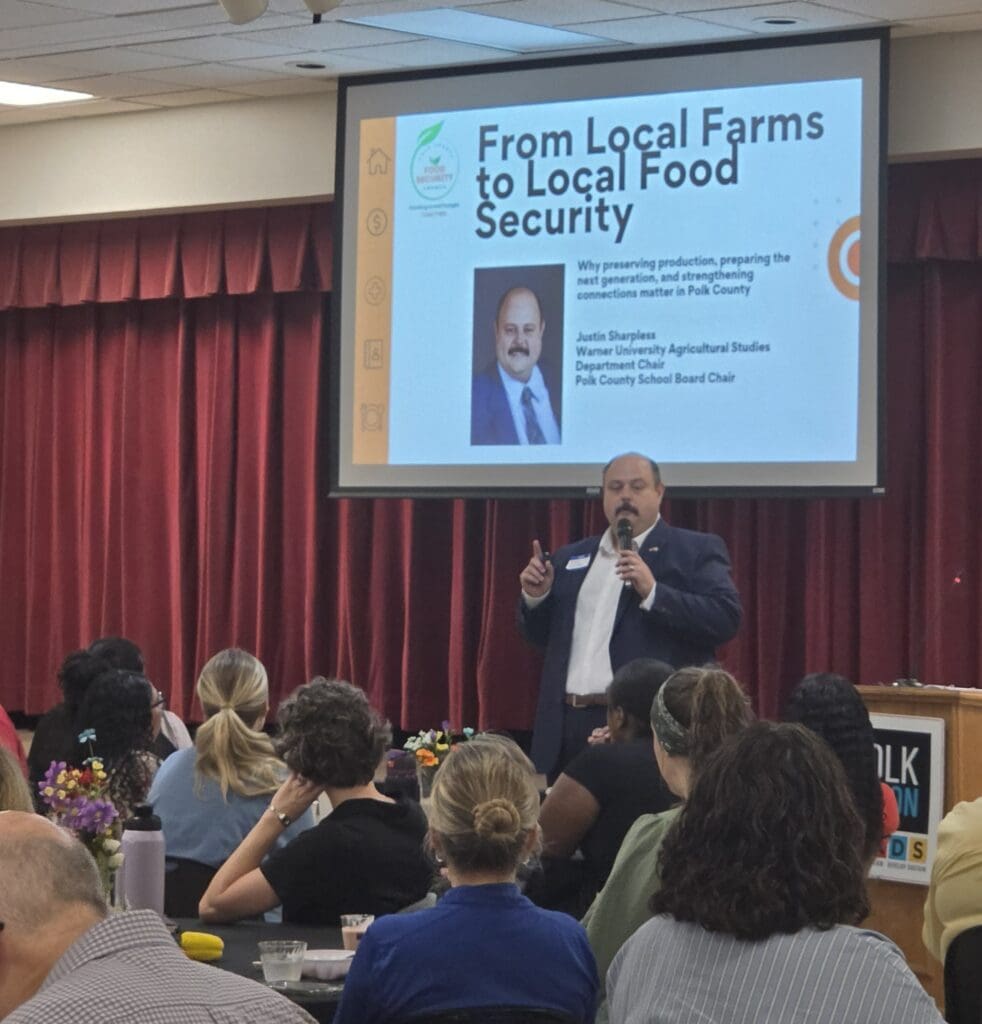
One of the Summit’s featured presentations highlighted a reality that is often overlooked: food security begins long before food reaches a pantry shelf or dinner table.
Attendees learned that Polk County is home to more than 2,100 farms and over 559,000 acres of agricultural production. Those farms provide more than economic value. They help sustain the local food supply, create jobs, and strengthen community resilience.
A key takeaway from the presentation was that preserving agricultural land and investing in future agricultural leaders is not simply an agricultural issue. It is a long-term food security strategy that helps ensure communities maintain the ability to produce, distribute, and access food locally.
Mapping Resources to Better Serve Residents
The Summit also provided an update on the Council’s Geographic Information System (GIS) Asset Mapping initiative.
Presented by Jessica Napoleon of the Florida Department of Health in Polk County, the session showcased efforts to strengthen a countywide map of food security resources, including:
- Food pantries
- Mobile food distribution sites
- SNAP retailers
- Farmers markets
- Other food-related services
The tool helps organizations identify available resources, visualize service gaps, and coordinate more effectively with partner agencies. By making information easier to access and share, the initiative supports stronger collaboration and more informed decision-making across the food security network.
Preparing Communities Before Disaster Strikes
Food access can change rapidly during hurricanes, severe weather events, and other emergencies.
To help prepare for those challenges, the Council’s Disaster Preparedness and Response Subcommittee shared updates on recent activities, including emergency operations training, statewide exercises, and preparedness planning efforts.
These initiatives help strengthen coordination among government agencies, nonprofit organizations, and food providers, ensuring that residents can continue accessing critical resources when disasters occur.
From Conversation to Action
The Summit concluded with interactive breakout sessions focused on a challenge many service providers encounter every day: helping individuals and families find the right support when their needs extend beyond food assistance.
Participants explored four key topics:
- Housing and Homelessness
- Financial Stability
- Health and Food as Medicine
- Benefits Navigation
Through facilitated discussions, attendees identified local resources, shared successful practices, discussed barriers, and developed ideas for improving referrals and outcomes for households in need.
Why This Matters
The Hunger Action Summit reinforced an important message: food security is not the responsibility of any single organization. It requires a connected network of partners working together to address immediate needs while building pathways to long-term stability.
From preserving agricultural resources and improving community mapping tools to strengthening disaster preparedness and referral networks, the work of the Polk County Food Security Council is helping create a more resilient Polk County.
What’s Next?
The ideas and partnerships developed during the Summit will continue to shape the Council’s work in the months ahead. Community members, organizations, and stakeholders who are interested in strengthening food security are encouraged to connect with the Polk County Food Security Council and its subcommittees.
Because the goal is not simply to help people access food today.
It is to help ensure that every individual and family in Polk County has the opportunity, support, and stability needed to thrive tomorrow.